Imaginary
We sometimes have purely imaginary visions, and the second conditional pattern is used to express these unreal imaginations that are impossible in our real world. We use the verb form ‘were’ even with singular nouns and pronouns to show that what is said is purely imaginary, and that is the only visible sign to recognise that what is expressed is unreal.
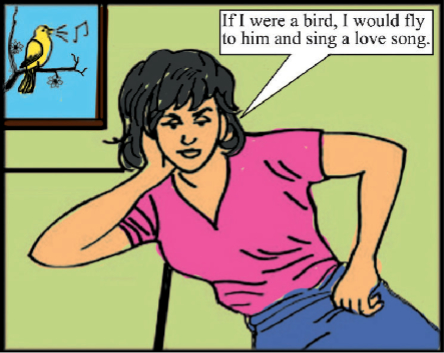
If she were a bird, she would fly to him and sing a love song.
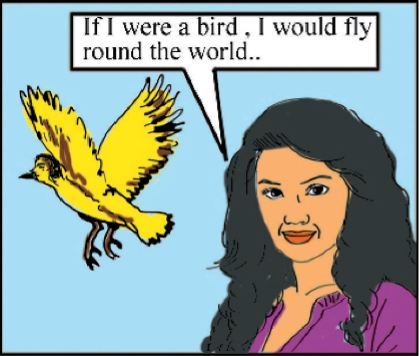
If she were a bird, she would fly round the world.
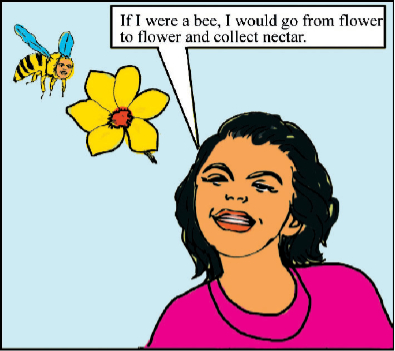
If she were a bee, she would go from flower to flower and collect nectar.
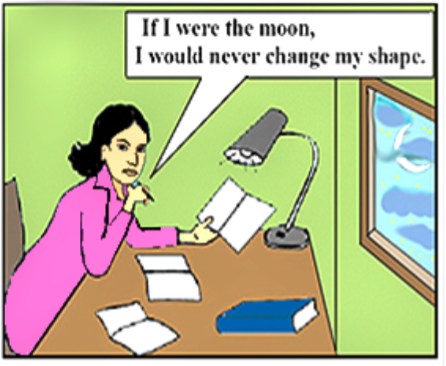
If she were the moon, she would never change her shape.
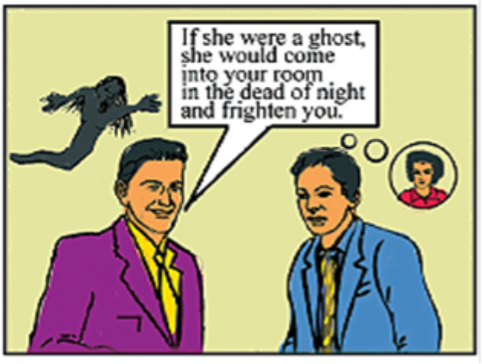
If she were a ghost, she would come into your room in the dead of night and frighten you.
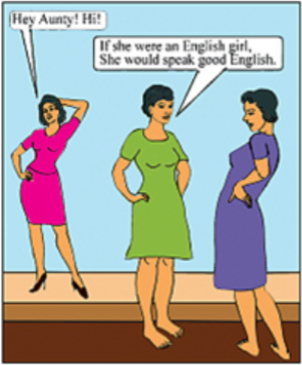
If she were an English girl, she would speak English well.
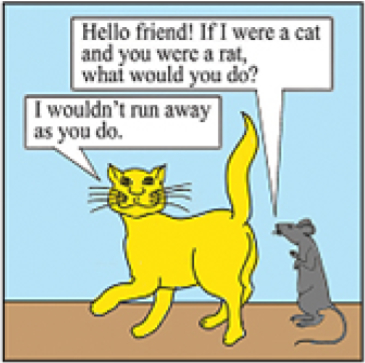
Hello friend! If I were a rat and if you were a cat, what would you do?
I wouldn’t run away as you do.
Unreal Past
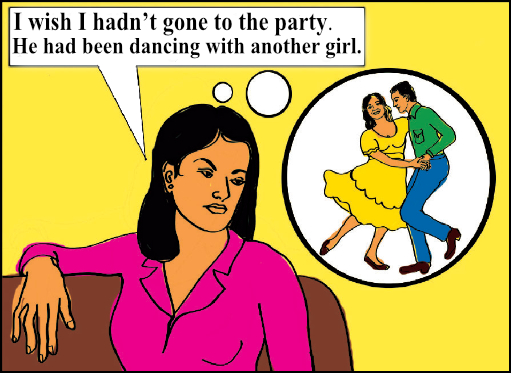
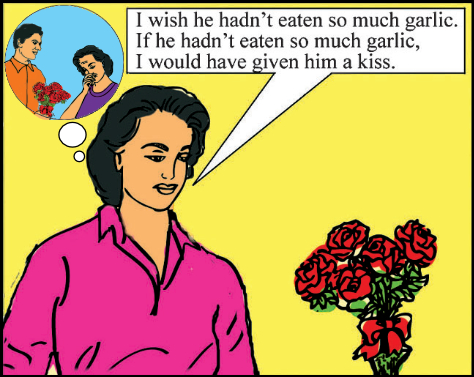
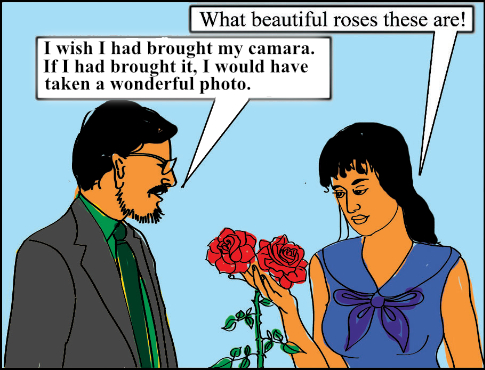
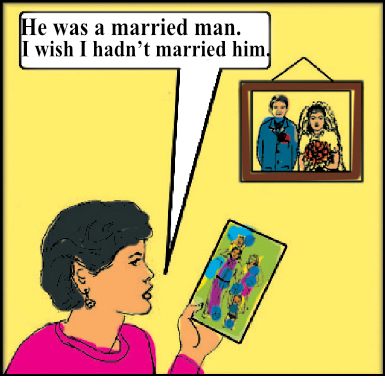
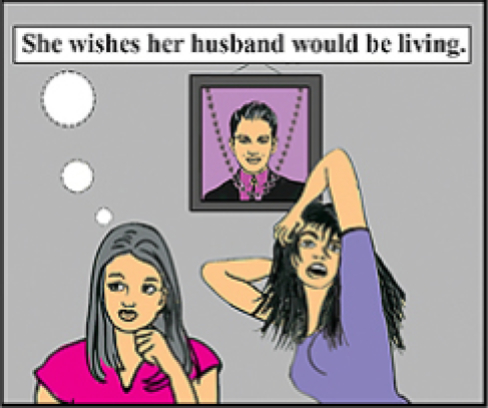
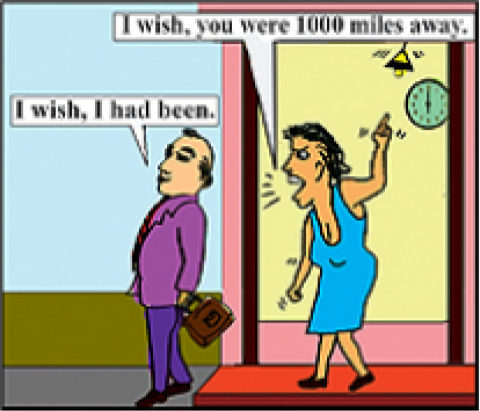
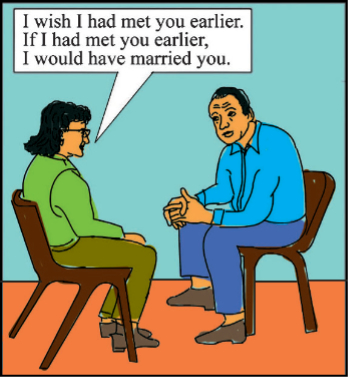
We use this second conditional sentence pattern to talk about something unreal or wish for now. We go back in time in our thoughts and regret the things we didn’t do in the past.
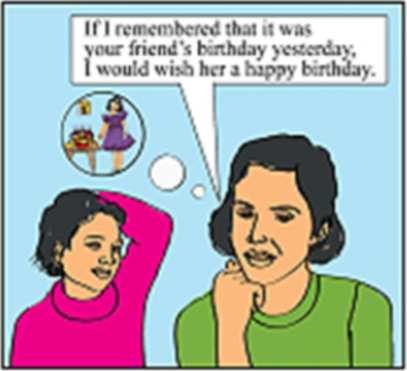
If I remembered that it was your friend’s birthday yesterday, I would wish her a happy birthday.
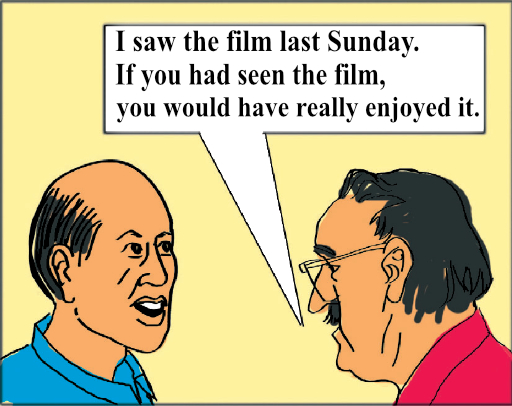
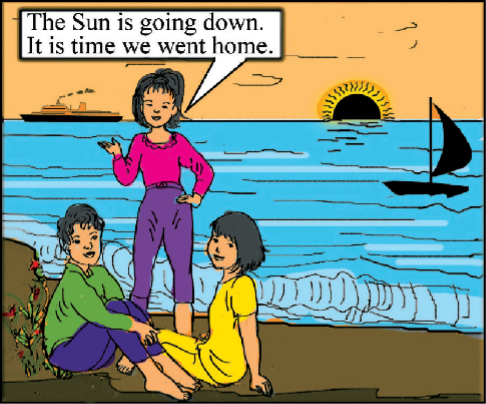
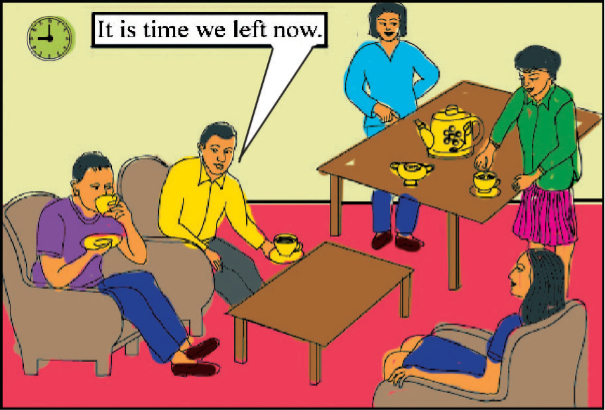
We use the following expressions also to show unreal past. Past Simple Tense is used with these expressions for something unreal or wished-for now.
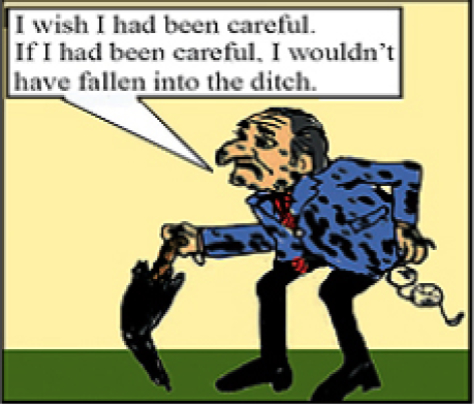
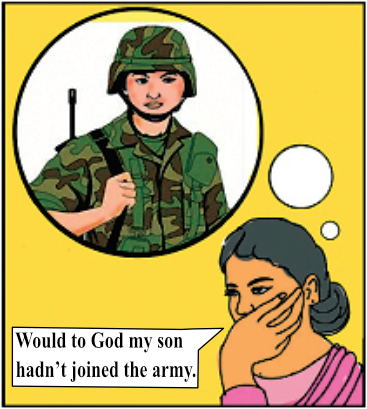
I wish, It is time, It is high time, If only, As if, Suppose, Would to God, etc.


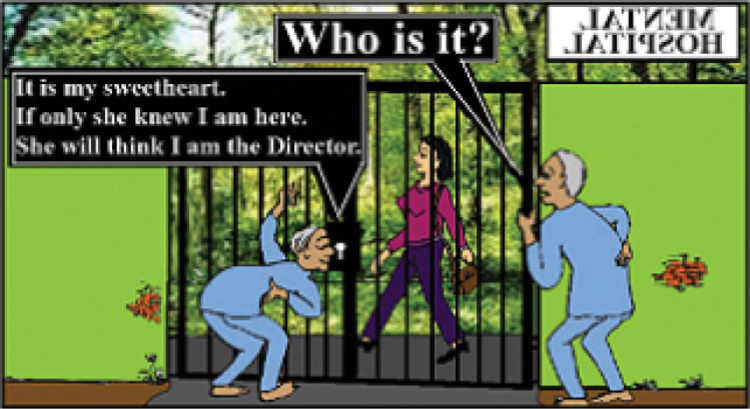
Who is it?
It is my sweetheart. If only she knew I am here. She will think I am the Director.