homophones
air – The air is the atmosphere enveloping the Earth.
heir – An heir is a person who inherits the estate of another.
Bare – Bare means devoid of.
bear – A bear is an animal.
all – (used with plural nouns) – All the people you invited are coming.
awl– a small, pointed tool used for making holes, especially in leather.
allowed – In some pubs in England you are not allowed to smoke.
aloud – It may help your pronunciation to read aloud.
altar– a holy table in a church or temple: The bride and groom walked up to the altar.
alter– to make changes to a piece of clothing so that it will fit you better. The bride watched the seamstress altar her wedding dress.
Brakes are used for stopping vehicles; breaks means to destroy. The driver applied the brakes and stopped the vehicle. He had to brake hard to avoid an accident.
break – Little children always break things. Be careful not to brake it!
board – The verb board means to get on an aeroplane.
board – The noun board is a plank of wood or a group of advisors; the adjective
bored means uninterested; the verb to bore means to make a hole in or through.
board – The teacher wrote the exercise on the board.
board – The board of directors met and discussed the matter deeply.
bored – Many people get bored when they’re learning a new language.
bore – The carpenter bore a hole in the wood.
By means near; bye is used to express farewell; buy means to purchase.
By – She came and sat by me. a
bye – It’s hard to say bye to people you love.
buy – She wanted to buy him a nice present.
By – means of – I go to work by bus.
Capital means monetary assets; it also means the seat of government; or
it can refer to the letters of the alphabet; capitol is a government building.
Capital – Colombo is the capital of Sri Lanka.
A council is a governing body; to counsel is to give advice.
council – In Britain, the Arts Council gives grants to theatres.
counsel – Listen to the counsel of your elders.
Course means path or class at school; coarse means rough.
Course – The college runs specialist language courses.
coarse – He has coarse hands.
Dessert is an after-dinner treat; a desert is an arid land.
Dessert – We had pudding for dessert.
desert – The Sahara is a desert.
A pair is a set of two things; a pear is a fruit; and to pare is to peel.
pair – He bought a new pair of trousers.
pear – I enjoy eating pears.
pare – First, pare the rind from the lemon and then, cut it in two.
Passed is the past tense of pass; past means a time gone by
.Passed – She passed me in the street without even saying hello.
past – The time for discussion is past.
A plain is an expansive area of flat, treeless country; plain also means characterised by simplicity; a plane is a tool used to smooth wood.
plain – They walked across the plain.
plain –He is a politician with a reputation for plain speaking.
plane – We use a plane for making the surface of wood smooth.
A principal is the head of a school; a principle is a belief or rule of conduct.
principal – The principal of the school addressed the meeting.
principle – The country works on the principle that all citizens have equal rights.
A piece is a portion; peace means quiet.
piece – When I looked at the cake, I realised there was only one piece left.
peace – Peace, like charity, begins at home.
A plane is a winged vehicle; plain means open or clear.
plane – They like to travel by plane, but it’s not cheap.
plain – His explanation was plain and simple.
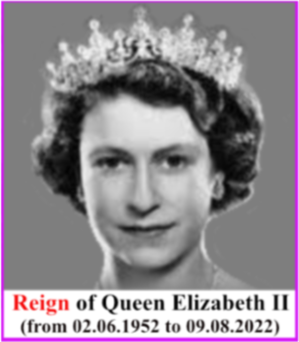
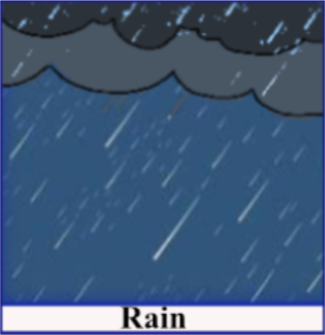
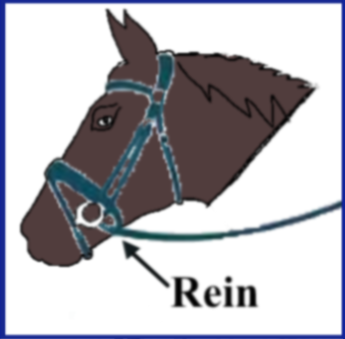
Reign means royal authority; rein means a strap as on a horse’s bridle; rain means precipitation.
Reign – Queen Victoria reigned from 1837 to 1901.
rein – It is time to hand over the reins of power to workers.
rain – A heavy rain began to fall.
ad – They ran an ad in the newspaper. (Advertisement)
add – What do you get if you add 2 and 2?
ale -(Beer) Most ale contains some herb or spice, usually hops, which gives it a slightly bitter taste.
ail – (Ailment) Back pain will ail us all as we grow older.
bard – a poet – The bard was playing a medieval song.
barred – (obstruct) -The gate was heavily barred.
boulder – (a large rock) – The man was killed by a falling boulder.
bolder – (confident and courageous) – Every day the wolf became bolder.
boy – The small boy was being bullied.
buoy – (an anchored float) -A 6 kg flotation device is sufficient to buoy up a person weighing 100 kgs.
beech – The beech is my favourite tree.
beach – I love building sandcastles on the beach.
bite – Snow White took a bite of the red apple.
byte – 8 bits make a byte.
current – The sea was rough with a strong current.
currants – Soak the currants in brandy.
bow – When men meet the Queen, they should bow.
bough – Tarzan swings from bough to bough.
be – I want to be an astronaut when I grow up.
bee – The buzzing bee went past me to its hive.
bale – There was a bale of cotton missing from the warehouse.
bail – His application for bail was not accepted by the magistrate.
bean – Jack sold the cow for a magic bean.
been – He told his mother that he had been to the market.
blue – The sky was a brilliant blue.
blew – The wind blew hard.
bred – The racehorse was well bred.
bread – I ate a slice of bread with my soup.
birth – She gave birth to a bouncing baby girl.
berth – The ship’s captain showed them to their berth.
ball – He kicked the ball as hard as he could.
bawl – They were sick of hearing her bawl.
bury – He will bury his treasure in the garden.
berry – My favourite berry is the black currant.
cannons – These old cannons are made of bronze.
canons – All tribes have their own rules, traditions and canons.
check – They didn’t check the signature on the cheque.
cheque – They didn’t check the signature on the cheque.
cell – The virus attaches itself to a white cell.
sell – Do you sell pears?
cereal – She enjoyed the latest cereal of the X Files on television.
serial – He liked to eat a bowl of cereal every morning.
clause – He eventually found the right clause in the contract.
claws – The dog’s claws needed clipping.
caught – The thief was caught and taken to court.
court – The thief was caught and taken to court.
deer – Deer feed on grass, twigs, bark, and shoots.
dear – In London, property is very dear.
doe – The doe hides her fawn in high grass or brush
dough – It’s best to knead the dough on a lightly-floured board.
Draught – Draughtproofing windows and doors can save you £10-15 a year.
draft – The U.S. discontinued the draft in 1973, moving to an all-volunteer force.
dew – The flowers were sparkling with dew.
due – She realised with horror that all her bills were due.
dye – After 70 years, dye transfer printing has become a nearly lost art.
die – The one thing all human beings have in common is that one day we all die.
earn – It’s difficult to earn enough money to live on.
urn – The ashes were placed in an urn.
I – I saw you yesterday.
eye – You shouldn’t poke someone in the eye.
four – There is a leap year every four years.
for – I have known them for a long time.
Fore – When teeing off, golfers shout “Fore!”
flaw – There was a fatal flaw in his plan.
floor – I mop the floor every day.
flea – A flea is a tiny insect.
flee – She realised it was time to flee the country.
flu – The doctor told him he had the flu.
flew – The bird flew out of the window.
flue – Smoke filled the room because the flue was blocked.
flower – He gave her some beautiful flowers.
flour – She couldn’t find any self-raising flour in Germany.
fair – She’s got a fair complexion.
fare – Bus fares are going up again.
groan – As she opened the door, there was a loud groan.
grown – He was fully grown.
great – My heel caught in the grate.
grate – I thought the film was great.
gait – A patient’s gait can be difficult to describe.
gate – The gate was heavily barred.
hoarse – I can’t speak today; I’m a little hoarse.
horse – When she was a little girl, all she wanted was a little horse.
here – Come here. It’s lunchtime.
hear – I can hear the sea from my apartment.
hue – There are flowers of every hue in this meadow.
hew – She said she’d love to hew a sculpture out of the block of wood.
hour – I ate my lunch an hour ago.
our – Have you seen our teacher?
heard – I heard a noise downstairs.
herd – The herd of cows was very noisy.
whole – He was very greedy and ate the whole cake.
hole – She found a hole in her sock.
heal – She was told her foot should heal in about nine weeks.
heel – The heel of her shoe broke off.
hall – We hang our coats in the hall.
haul – The police seized 1600 kilograms of heroin – their largest-ever haul.
air – She enjoyed breathing the fresh air.
ere – She fell ere he could catch her.
heir – He was the heir of a nice little fortune.
heroine – Grace Darling was a real heroine.
Heroin – Heroin is a class A drug.
I’ll – I’ll see you tomorrow.
Isles – The British Isles.
aisle – The bride walked down the aisle.
idle – He was so idle, he never did any housework.
Idol – She really wanted to win Pop Idol.
jeans – I’m wearing jeans today.
genes – I have my mother’s and father’s genes.
knot – He caught the rope and tied a knot in it.
not – I keep telling them I’m not fat.
hair – Rosy let down her long hair.
hare – The hare is a wild animal.
hymn – The choir sang a lovely hymn.
him – Did you see him sing?
lapse – With horror she realised she had let her subscription lapse.
laps – She was only able to swim 10 laps.
led – He led them to safety.
lead – The roof was made of lead.
loan – They wanted to buy a new car but couldn’t get a loan from their bank.
lone – (solitary or single) She loves to lead a lone life.
meat – Vegetarians don’t eat meat.
meet -The committee members meet every week.
Mussels – Mussels can be found attached to gravel, seawalls, and rocks.
muscles – Exercise helps to build muscles.
main – The main reason for this site is to help people learn English.
mane – The horse’s mane flowed in the wind.
knew – I knew him before he was famous.
new – We are getting a new TV.
energy – There is no simple solution to our energy situation.
energy – We need energy to work and play.
nose – Her nose really hurts.
knows – He knows why he is getting bad grades.
plaice – I love fish; plaice is my favourite.
place – I think Coventry is a lovely place.
pail – Jack and Jill went up the hill to fetch a pail of water.
pale – She painted the room pale yellow.
paws – The cat licked his paws.
pause – There was a pause in the music.
pours – She always pours too much milk into my tea.
pores – The makeup hid her open pores.
rode – The cowboy rode his horse into town.
road – The road where I live is very busy.
rowed – Michael rowed the boat ashore.
read – I love to read.
reed – The common reed is a large grass that grows up to 12 feet tall.
mist – The mist was cold and wet.
missed – When she went away, he missed her.
steal – It is wrong to steal.
steel – The frame of the building was made of steel.
sight – She was completely blind now, but she had lost her sight over time.
site – The place looked like a building site.
cite – When writing your thesis, it’s very important to cite all your references.
mail – At work, I check the mail every morning.
male – A tom is a male cat.
made – I made her do her homework.
maid – My maid ironed my blouse.
quay – There was a boat moored alongside the quay.
key – He’s always forgetting his office key.
metal – He soldered the two pieces of metal together.
mettle -The marathon really tested his mettle.
knight – The knight rode his horse.
night – I don’t like to walk home alone at night.
need – I need to relax more.
knead – It’s best to knead the dough on a lightly floured board.
bare – He couldn’t bare to watch.
bear – The camper was attacked by a bear.
bear – Everyone in the sauna was bear.
poor – When he was young, they were very poor.
pour – She went to pour him a drink.
paw – The cat licked its paw.
pore – A blackhead is a blocked pore.
piece – When I looked at the cake, I realised there was only one piece left.
Peace – Peace, like charity, begins at home.
might – They struggled with all their might to free themselves.
mite – The dog is scratching; he might have a mite.
peddle – In the UK, people still peddle goods and services door to door.
pedal – She struggled to pedal her bicycle up the hill.
prey – An eagle is a large bird of prey.
pray – People go to church to pray.
plane – My family likes to travel by plane, but it’s not cheap.
plain – Asian people eat a lot of dishes with rice of different tastes: plain rice, fried rice with seafood, and sweet rice puddings.
principle – The country works on the principle that all citizens have equal rights.
principal – She wanted to meet the principal himself.
peas – She was shelling peas for dinner.
pee – There was a long queue for the ladies, and she was desperate for a pee.
pears – I enjoy eating pears.
pair – She bought a new pair of trousers.
pane – He broke the pane of glass.
pain – He hit his hand and was in a lot of pain.
peal – Everyone listened to the peal of the church bells.
peel – Orange peel is used in marmalade.
queue – There wasn’t a queue, so we just walked in.
cue – The dog attacked on cue from its handler.
peak – Sir Edmund Hillary and Tensing Norgay were the first to reach the peak of Mount Everest.
peek – Tom the tailor took a peek at Lady Godiva.
route – Which route did you use to get home?
root – That root will be very hard to pull out.
red – The news made her see red.
read – She made herself a cup of coffee after she had read the newspaper.
source – Tomatoes are a good source of vitamins and minerals.
sauce – This tomato sauce is delicious.
seem – The bikes seem to be running well.
seam – A good sewing machine stitches a straight seam.
see – Did you see the sea?
sea – Did you see the sea?
sail – The yacht had a white sail.
sale – The skirt was on sale
sew – I used to like to sew.
sow – Every autumn I sow seeds in the garden.
so – I was so tired.
saw – He saw the cat.
sore – My hand was sore.
soar – We watched the bird soar.
some – There were some biscuits left.
sum – His score in the math exam was quite good, but he couldn’t do the last sum.
sun – The sun is shining.
son – Her son was very clever.
tow – My car broke down, and I needed a tow.
toe – I don’t put nail varnish on my toenails.
tide – King Canute tried to stop the tide coming in.
tied – When he was old enough, he tied his own shoelaces.
stalk – I like to chew on a grass stalk.
storks – Endangered white storks hatched an egg in Japan.
storked – He was storked by a stranger for several weeks before reporting it to the police.
to – I went to the zoo.
too – It was too hot.
two – I ate two ice creams.
tale – Cinderella is a famous fairy tale.
tail – A dog will wag its tail when it’s happy.
worn – I’ve never worn a lot of jewellery.
warn – Someone should warn them it’s dangerous.
witch – That old woman looks like a witch.
Which – Which of these pencils is yours?
there – They’re over there by their car.
their – They’re over there by their car.
won – Red Rum won the Grand National.
one – There was only one piece of cake left.
would – I would like a nice cup of coffee, please.
wood – They have made this table of oak wood.
right – You are right, I write with my right hand!
wright – Shakespeare was a famous playwright.
bowl – He threw the bowl.
ball – The ball went through the glass.
tacked – We tacked the picture to the wall.
tact – The headmaster wasn’t known for his tact.
veil – The bride wore a beautiful veil.
vales – We walked through the hills and vales.
weigh – It’s important to weigh yourself every few months.
way – I met her on my way home.
war – Make love, not war.
wore – The bride wore white.
whey – Miss Mary ate her curds and whey.
way – She stopped to ask which way to go.
waist – She worried too much about her waistline.
waste – She never ate all her food. It was such a waste.
wring – You should wring out the clothes before hanging them out to dry.
ring – The bells ring out on Sunday.
whether – We’ll whether the weather whatever the weather, whether we like it or not.
weather – We’ll weather the weather whatever the weather, whether we like it or not.
stair – I slipped on the top stair and fell down the whole flight.
stare – It’s rude to stare.
tyre – Oh no! We’ve got a flat tyre!
tire – If you walk so fast, you’ll tire me out.
weal – There was a bad weal on his back where he had been hit.
We’ll – We’ll be waiting for you here.
wheel – The wheel dropped off the cart.